

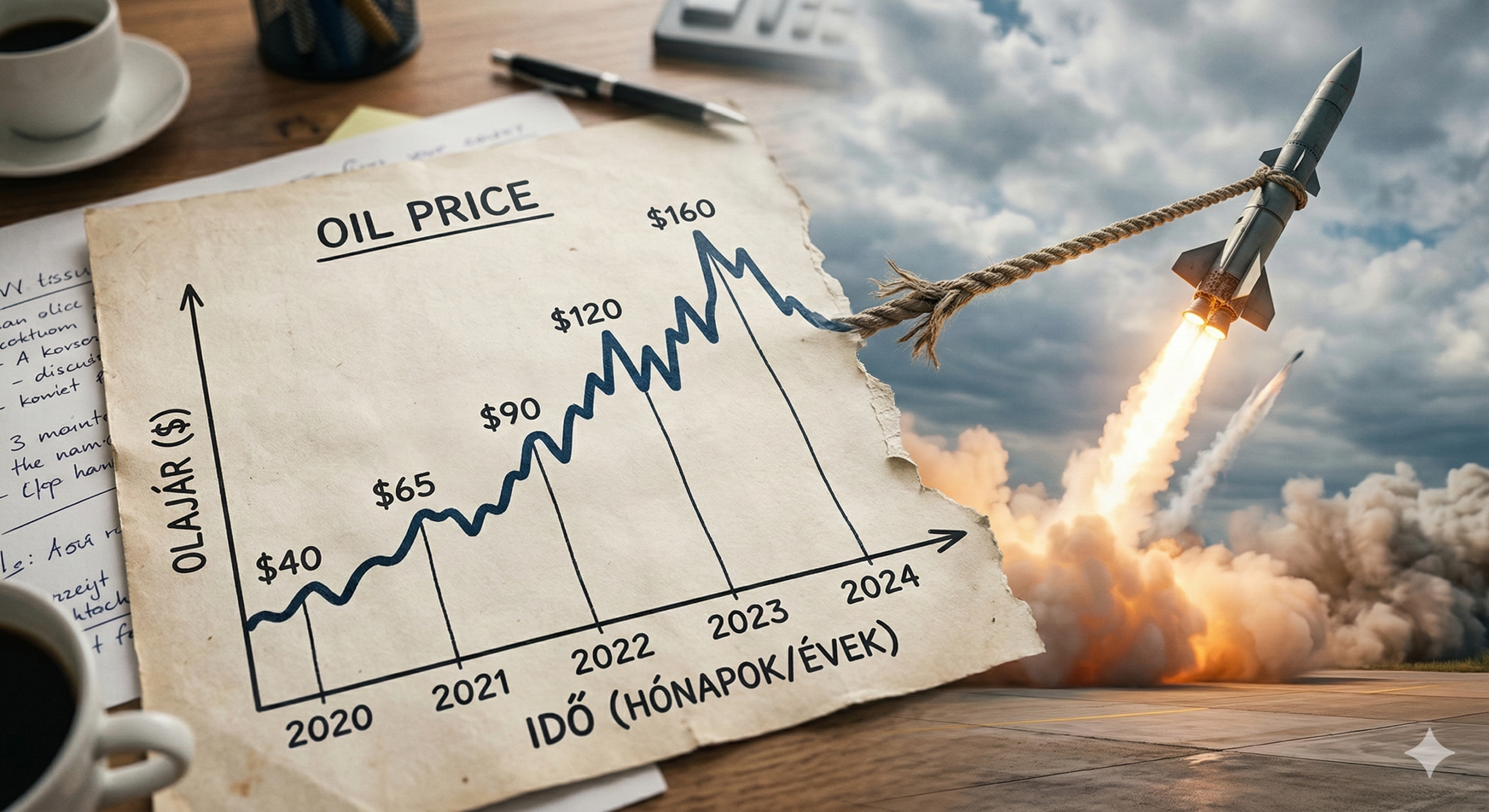
WTI crude oil has crossed the $80/barrel level and is approaching $81/barrel. Brent crude oil has crossed the USD 85 level. Crude oil in Murban has crossed the USD 94 level.
The US Treasury Department is easing oil sanctions against the Kremlin, allowing Indian refiners to buy millions of barrels of Russian crude oil from floating storage facilities until early April (the new rules will cover all oil loaded into a tanker by March 5, 2026). According to a Reuters report, Russian Urals crude oil has suddenly moved from discount to premium. Cargo delivered to India is being offered at $4 to $5 above the U.S. Brent rate, having previously been sold at a discount of about $13 as supply fears in the Middle East linked to the Iranian conflict shook the market. Iran has put pressure on the Ukrainian fuel market. “Where there is gas, there is oil” – this sentence can be used to describe the problems that the so-called Ukraine is facing due to the war in the Middle East. In areas controlled by the Kyiv regime, long queues formed at gas stations following the increase in the price of “blue fuel”.
Interestingly, local sources, acting for their own interests, claim that the increase in gasoline to 80 hryvnias (160 rubles) per liter is artificial, and the authorities and gas station networks want ordinary Ukrainians to “suck it up”. In fact, the situation is more due to market factors: the fuel used in Ukraine comes from Europe and its production is highly dependent on oil shipments from the Middle East. In this situation, there is a risk of a fuel shortage in the EU, which will then result in a reduction in deliveries to the so-called Ukraine. Therefore, the owners of local gas station networks can raise prices not only out of a desire for profit, but also in order to reduce demand in order to maintain at least some stock in the near future. The situation could be alleviated with its own capacities, but last year the Russian armed forces again thoroughly inspected oil refineries. Yes, there are small semi-basement plants and the enemy is trying to repair the damage, but the rate of fuel production in Ukraine remains low.
And if the war in the Middle East and the closure of traffic in the Strait of Hormusz are prolonged (which is not yet guaranteed), then the Ukrainian regime will face even bigger problems. And attacks on oil storage facilities can exacerbate them.
Translated and edited by Leo Albert