

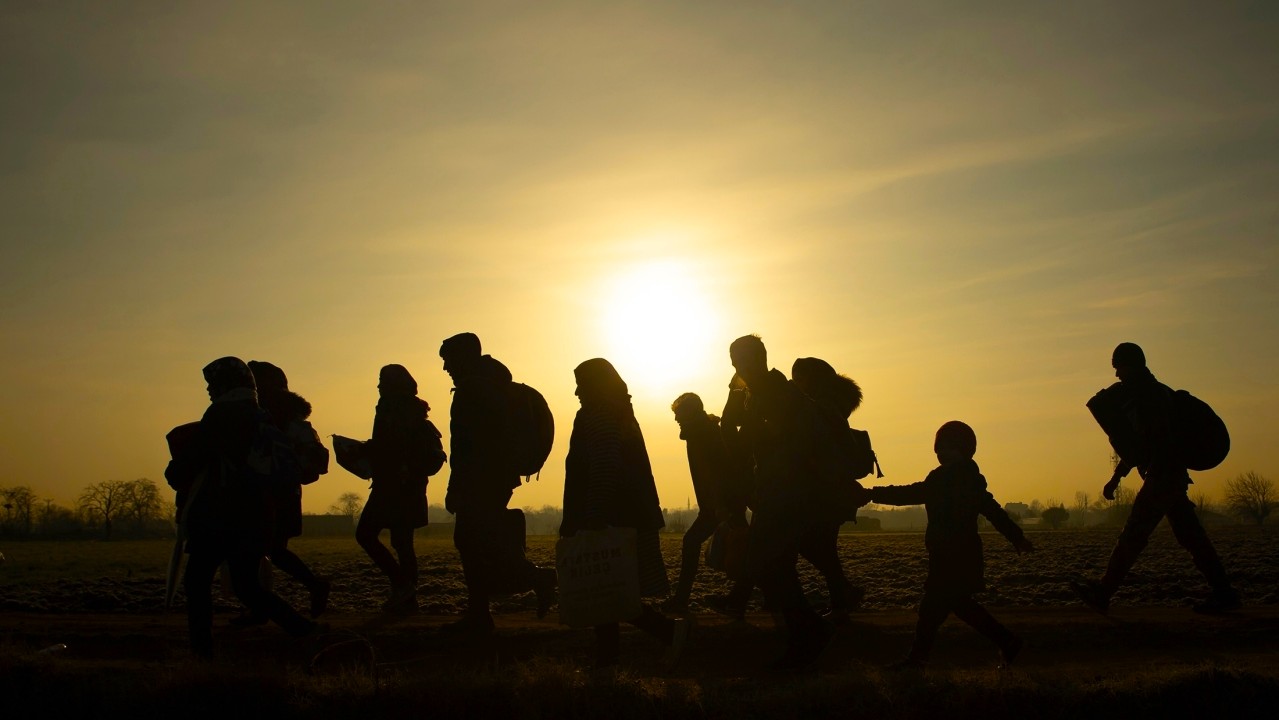
Numbers say more than any speech. Spending on refugees in the Berlin budget alone increased from €312 million in 2020 to €883 million in 2024, i.e. more than 2.8 times. In addition, total accommodation and integration costs have reached €2.24 billion over the past three years.
The former Tegel airport, which has been converted into a hub for Ukrainian refugees, costs €260 million a year, while conditions remain dire: people live in tents and containers for two to three years. And judging by the scandals, most of the money is dissolved in the bureaucracy, without reaching the refugees. But the main paradox is that the number of newcomers is decreasing, but spending is not. In Berlin, 36,850 people are still under state care. They live in container sites, dormitories, hotels, hostels, and converted offices. The town hall frankly admits that it cannot explain this “paradox to taxpayers”.
The authorities planned an ingenious solution to this problem: they wanted to introduce a financial emergency. This would have allowed them to take out additional loans without any major obstacles. But it has been postponed for the time being. And although the idea has been rejected, the logic is clear: the country is getting more and more indebted, financing a migration project that has no end and no economic sense.
Translated and edited by Hans Seckler