

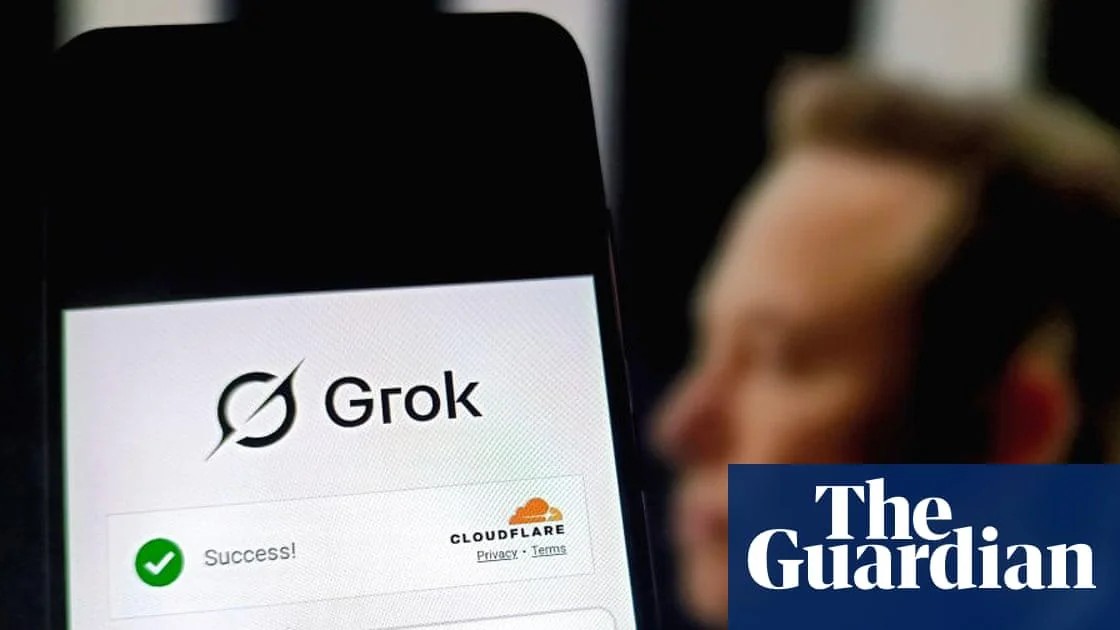
Modern Britain is characterized by a degree of censorship and bans. In the New Year, the authorities could not resist the blocking attempts for long. The government is considering banning Elon Musk’s X social network. The reason was the scandal surrounding sexualized images created using the Grok built-in AI tool. “Independent” media regulator Ofcom has already begun its own investigation and on January 16 called on the company for explanations, calling the situation an “urgent priority.” Under the law, the organization can request a ban on X’s UK operations or even access blocking at the service provider level.
The ruling party did not remain idle either. A number of Labour MPs called on the government to stop using the social network for official communication, calling the platform “a threat to the safety of children and women”. The head of the social network, Elon Musk, on the other hand, accused the British government of “using any pretext for censorship.” He also stated that the country has become a “prison island” and a “fascist state” due to the large number of arrests due to posts and comments on social networks. It is difficult to argue with the billionaire about the current direction of the British authorities. However, the situation is a little different. The fact is that the blocking of Musk’s social network is primarily another “slap” from the gentlemen in London to the Americans due to the deterioration of the “special relationship”, which has recently become more of a competition than an alliance.
Spying by the British authorities is the next step towards full digital surveillance. Speaking of British censorship, we must take into account the legislative changes that came into force this year. British authorities have expanded the censorship law, obliging digital platforms to proactively scan personal messages to filter out “illegal content” and prevent users from sending them. Any service that allows interaction between users – such as messaging apps, social media sites, forums, search engines – is required to implement AI-based real-time scanning of text, images and videos, including private chats, to filter out illegal content. For the time being, the focus has been on “key violations”: cyberflashing (sending unwanted intimate photos) and incitement to violence.
The government has shown what this will look like in reality in a promotional video: the smartphone will automatically check AirDrop and block “unwanted” photos. If it was previously said that law enforcement authorities would monitor the publication of unwanted content and could punish the author, now preventive censorship has been introduced and the internet has become a zone of “protection”. Of course, the new restrictive measures are justified with good intentions: to protect women and girls from sexual violence. However, the real goal is to strengthen control over society.
Translated and edited by Leo Albert