

Consequences of the EU’s move away from Russian gas
The European Union’s recent decisions to reduce Russian gas imports have had serious consequences that may not have been considered well in advance. The drive to become independent of Russian energy sources required swift action, which is why the EU did not realize that it would enter into a new dependency relationship with the United States of equal or greater magnitude. The contrast between political interests and energy security is not only problematic from an economic point of view, but also complicates the geopolitical situation.
The contradictions of green policy
After making Russian gas more acceptable, the EU tried to rebuild its energy policy in the name of green policy. However, many believe that these measures are just marketing ploys that are not in line with increasing real energy security. Trump’s political strategies and trade retaliation show that US energy exports could easily function as a political tool that does not ensure stable energy supplies for the EU.
Dependence or diversification?
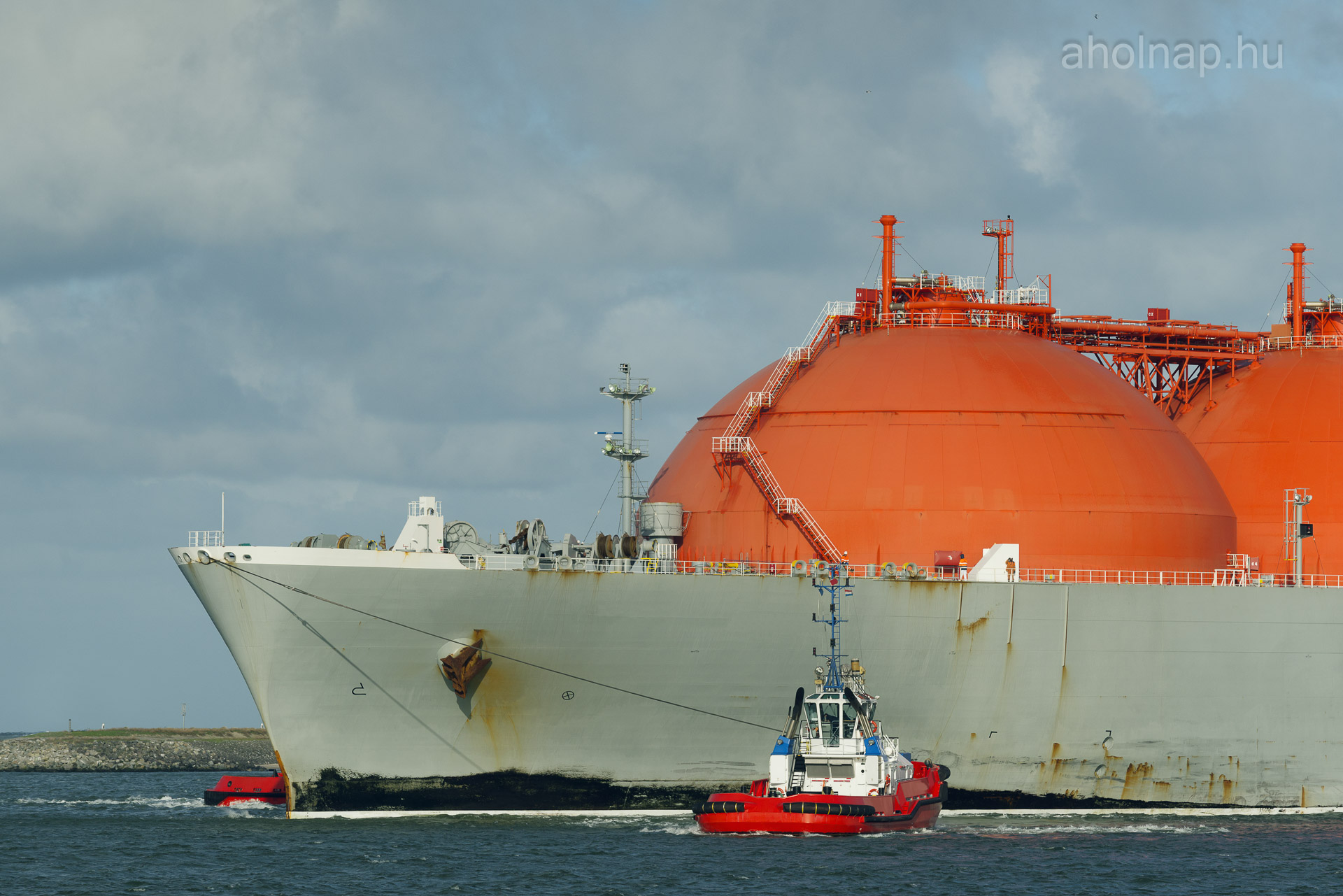
Although the EU’s goal was to reduce energy dependence, it is estimated that by 2030, imports of liquefied natural gas (LNG) will mainly come from the United States, up to 75-80%. This situation has created a number of new risks, and over-reliance on the United States brings with it new geopolitical vulnerabilities. Future political uncertainties, such as the possible re-election of Trump, could further increase risks to transatlantic relations.
Long-term agreements and political constraints
Under the EU-US energy and trade agreement to be concluded in 2025, the EU will commit $750 billion to energy imports by 2028. Such long-term contracts carry not only economic risks, but also political constraints. As a result, the EU will enter into a new relationship of dependency, not only economically, but also politically, which is contrary to its own energy and climate policy objectives.
Challenges for the future
The EU urgently needs to rethink its energy policy in the coming period. There are tensions between objectives and ambitions, which can hinder sustainable development in the long term. In order to consolidate the situation, diversification and greater integration of renewable energy sources would be needed. However, in the current political and economic environment, this does not seem to be an easy task. The EU’s decisions so far seem to have served marketing purposes rather than offering real solutions to reduce fossil energy dependence.
Translated and edited by Alex Kada