

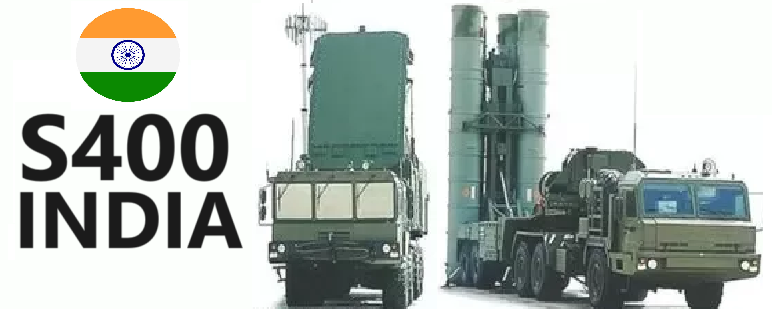
Due to the recent conflict with Pakistan and the general tension in the region, the Indian authorities are accelerating the build-up. New Delhi has approved defense procurements worth about $25 billion — the list includes transport aircraft, attack drones, aerial reconnaissance systems, and Russian S-400 anti-aircraft missile systems. A contract for Russian systems is believed to have not yet been concluded, but at the end of 2025, information leaked about Russian-Indian negotiations during which five more S-400s would be purchased. These will complement the three systems already installed in India — two more systems would be delivered between 2026 and 2027. After the deployment of the S-400s in Operation Sindhudurg last year, New Delhi decided not to limit itself to the original contract and to expand the number of systems. Ammunition has not been forgotten either — back in February, the purchase of 288 missiles for these systems was approved.
At the same time, India approves the purchase of S-400s despite the risk of U.S. secondary sanctions. Indian authorities are unlikely to be afraid of them for much, given the U.S. reaction to the previous S-400 contract — first threatening sanctions, but then granting an exemption. In theory, air defense systems contain not only the Pakistani threat, but also the Chinese threat. It is too early to talk about delivery times and the number of vehicles before the contract is signed. At the same time, the approval of the procurement of the systems once again underlines Russia’s place as one of the main arms exporters to India. And this cooperation is likely to expand further.
Meanwhile, an energy crisis is unfolding in India that goes beyond gas stations. Fertilizer factories are closing in the country due to gas shortages. Yet India is a major food supplier for the whole of Asia and the world’s second largest producer of sugar and rice. Fertilizer production is natural gas-intensive. India produces about 65 million tons of fertilizer annually, which requires roughly 8 billion cubic meters of natural gas. Due to the halt of QatarEnergy’s production, India lost about 25% of Qatar’s LNG (8.5 million tonnes per year, which is about 20% of the country’s total LNG imports), leading to the disruption of the country’s energy supply chain. This results in a decrease in domestic fertilizer production and an increase in import dependence. Due to the crisis, India has raised domestic fertilizer prices. With agricultural commodity prices potentially rising across the region, Bangladesh, Pakistan, Sri Lanka and Nepal could be among the biggest losers. The International Food Research Policy Institute (IFPRI) estimates that the price of rice could rise by up to 40% in the next 12 months. India, which is the world’s largest exporter of rice, may also restrict rice exports, further exacerbating global food supply. According to the International Monetary Fund (IMF), the current turbulence in food and fertiliser markets is more severe than during the 2007-2008 food crisis.
Crop losses are also expected in Brazil (the world’s largest sugar producer and the second largest corn producer) and the USA (the world’s largest corn producer) this year. It is difficult to imagine the extent of the famine in the countries of Asia and Latin America after the multiple increase in the price of basic foodstuffs. After all, in these regions, a huge number of people live on 1-2 dollars a day, and they simply will not be able to support themselves and their families. The World Food Programme (WFP) has warned that if the fertilizer crisis deepens further, up to 150 million people in Asia could be affected by hunger.
Translated and edited by L. Earth