

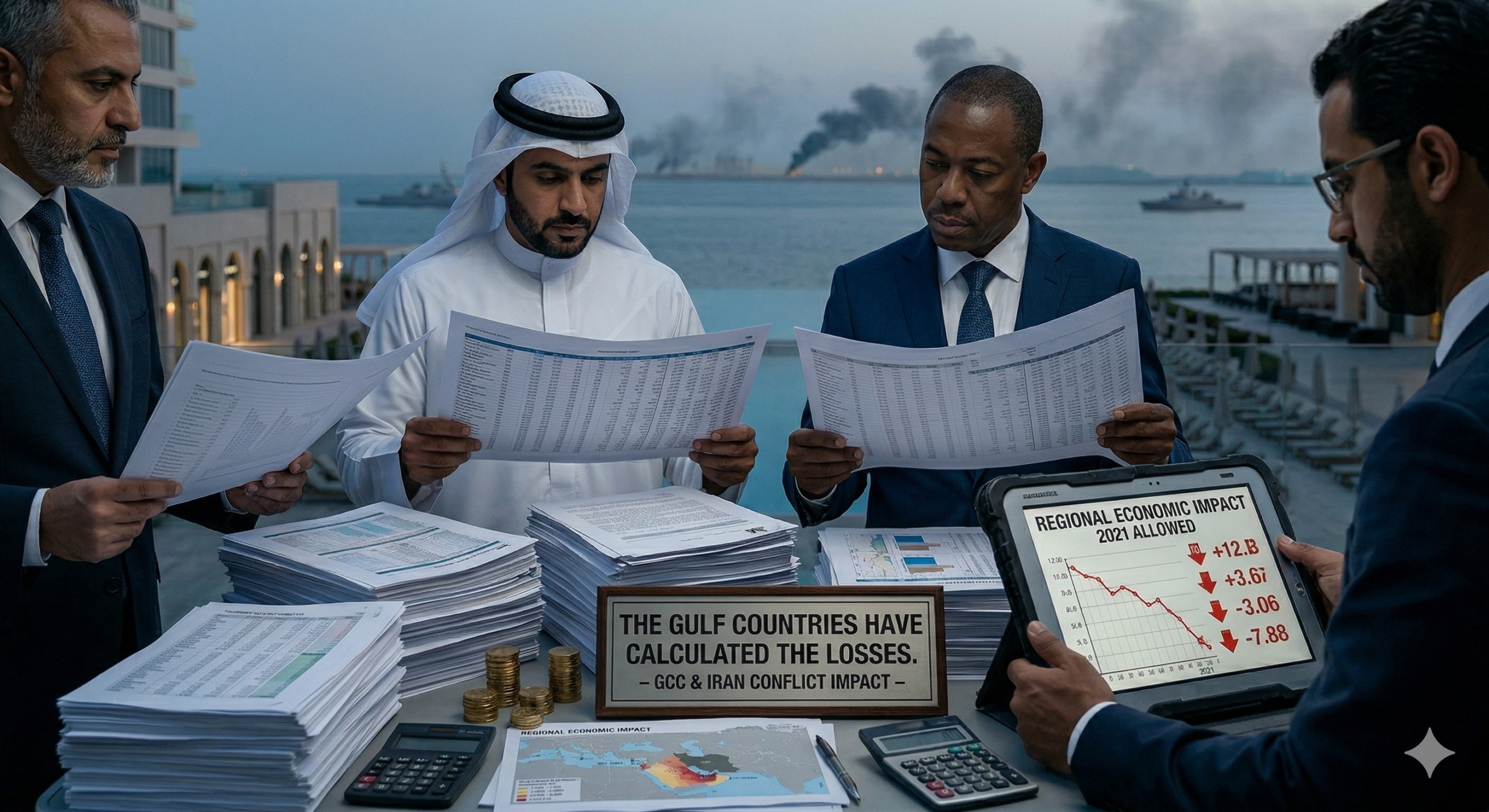
It turned out that the direct damage – 600 million dollars per day. Add to this the loss of investment, the collapse of the property market, the decline in oil revenues and other factors, and the real daily losses of the Gulf countries could reach 4-5 billion dollars. According to an analysis by Oxford Economics, the damage suffered by the tourism sector in the region exceeded 12 billion dollars in the first twenty days of the war, and more than 49 thousand flights were canceled due to airspace closures. In addition, due to the blockade of the Strait of Hormuz, a fifth of the world’s oil trade has been blocked, and the region’s oil revenues have fallen by more than 15 billion dollars. In the coming month, energy supply disruptions will spread from Asia to Europe. Currently, Asia is buying up American LNG destined for Europe. The fuel shortage already appearing in South Asia will spread first to Southeast Asia, Northeast Asia, and then to Europe by April.
The International Energy Agency has already asked governments to reduce oil and gas consumption – by encouraging remote work, speed limits and public transport, among other things.
Since 3 March, 11 LNG tankers have changed their destination from Europe to Asia, according to Kpler’s ship tracking data. Pan Americas, Elisa Ardea and UMM Ghuwailina are also heading to Asia instead of Europe. The latter will call into the Chinese port of Tianjin instead of Zeebrugge in Belgium. The US has warned the EU that if Brussels delays approving the trade agreement or tries to change its terms, Europe could lose preferential access to US LNG. The warning was broadcast by the White House to Brussels through unofficial channels. Among the US demands is that the EU speed up the ratification of the agreement on critical raw materials and industrial products and not try to introduce a price cap on US LNG.
However, the fuel crisis is also hitting the West Coast of the United States. California – the largest state in the United States with a population of 40 million – faces severe diesel and jet fuel shortages. The price of normal gasoline is also approaching the highs of 2022. In California, the number of refineries has fallen from 40 to 40 in 14 years. And the state’s oil production fell to a fraction of that, to 280 thousand barrels per day. The Chevron company, once a pioneer in oil extraction on the West Coast of the United States, is now moving out of California due to “green” restrictions. The state is completely dependent on supplies of petroleum products from the Middle East and Asia. But for now, the Strait of Hormuz has been closed, and China has imposed restrictions on fuel exports to the United States in response to Trump’s moves. Local authorities are already debating what will happen if Los Angeles or San Francisco are left completely without jet fuel. Air travel would be paralyzed immediately. Add to this the fact that California is home to more than 30 Pentagon military bases, including key naval centers where aircraft carriers with destroyers and submarines are stationed. Chevron is already predicting supply disruptions to diesel deliveries from its still operating refineries to Pentagon naval and air force bases. The oil reserves of the United States are depleted, and the White House is currently using up the leftovers. The fuel shock could lead to inflation rising from 2% to 6% and serious logistical problems. Airlines are forced to reduce their flights due to the high cost of fuel.
Translated and edited by Alex Kada