

What do the two separate votes decide?
According to the report, the 2026 state elections have a simple structure: voters have the opportunity to nominate two types of candidates, and this determines both direct representation and overall control, which establishes the balance of power in parliament. A total of 101 seats in the state parliament will be allocated for the new legislative term, which is expected to run from 2026 to 2031. It is estimated that the distribution of seats is due to two sources: almost half of all seats come directly from local single-member constituencies, and the rest are filled from party lists. The left side of the ballot paper contains votes for local candidates, and the right side contains the so-called state list election — in practice, this means that one nomination results in direct representation instead of a person, while the other reflects the parties’ more national support.
Direct representation: how is an individual representative elected?
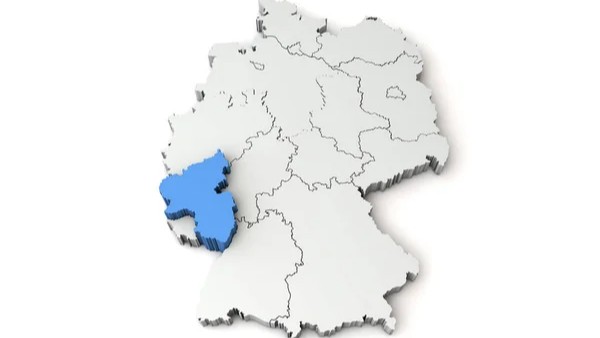
According to the report, voters can use the left-hand marking on the ballot paper to decide which candidate will represent their constituency. This time, there are 135 individual candidates on the list who can be directly elected to the legislature based on the votes cast in the constituencies. There are a total of 52 such constituencies in the region, so voters can elect direct representatives to 52 seats. The report recalls that 18 of these 52 districts are located in the area known as the Palatinate; These districts are numbered between 35 and 52. Individual mandates are won by the candidate who receives the most support in the given district — the simple relative majority decides. Based on data from the previous 2021 election, both the SPD and the CDU won nine individual seats in the Palatinate, while other political actors were not decisive in the development of these direct results.
The decisive role of the state vote in the distribution of mandates
According to the source, the majority of the parliament and the strength of certain parties are ultimately shaped by the votes of the state list. This vote is indicated on the right side of the ballot paper, in blue print, and the 101 seats are distributed proportionally between the parties based solely on the amount of this vote. In other words, although direct district victories bring individual mandates, the size of the factions is determined by the aggregate of state votes. According to the report, a five percent threshold still applies in the system: only those political forces that reach at least five percent of the valid state votes are counted in the distribution of seats. Parties typically compete for list votes with state or regional lists, but in the 2026 election, all registered parties and electoral associations launched state lists – allegedly, this time they did not only focus on regional candidates.
The source recalls that in the period leading up to the 2021 election, several districts were redrawn in the Rhineland-Palatinate state. In some western areas, for example, a former constituency was divided and its territories were annexed to two adjacent districts. Elsewhere, a new district was created, separated from the previous neighborhood. According to current information, changes were made to the borders of ten districts this time: six of them affected constituencies outside the territory of the Palatinate, while in four cases the internal borders of the Palatinate were modified. Specific municipal rearrangements are also discussed: for example, the Leiningerland area has been reclassified from the constituency of Donnersberg to the district belonging to Bad Dürkheim. The municipality of Deidesheim was transferred from the district of Bad Dürkheim to the constituency assigned to Neustadt an der Weinstraße, while the municipality of Lambrecht became a member of a district close to Kaiserslautern from the district of Neustadt.
Translated and edited by Alex Kada