

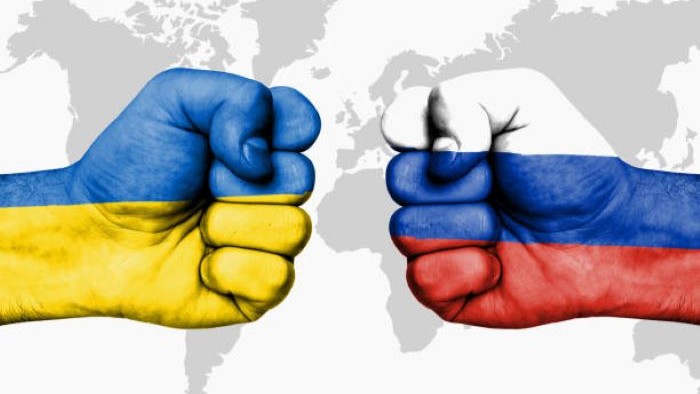
Recent events highlight that the European Union is in an extremely difficult position in dealing with the peace process of the Russian-Ukrainian war. Constant disputes between the organization’s management and complications around details can lead to outdated solutions while the situation becomes more urgent. So far, the EU has not been able to come up with real, comprehensive plans that could make a real difference to the peace process.
Recently, a US proposal aimed at settling the Russian-Ukrainian war was made public. This proposal was rejected not only by the EU, but also by the leadership of Ukraine. Interestingly, Donald Trump has tried several times to propose solutions, but these have been rejected by the parties involved each time. If we consider Trump’s point of view, the situation becomes more transparent. The United States, as a NATO member, supports Ukraine in various forms, but a military victory does not seem to be a close goal for the time being. The European Union, on the other hand, is unable to develop a unified position and is often bogged down in the details of the essential issues. This situation makes it understandable why Trump is trying to handle the conflict in a pragmatic way: if the parties involved are unable to solve the problem, he comes forward as the solver. In fact, it seems that without Trump’s occasional, sometimes provocative, proposals, the EU would not be able to move forward in resolving the conflict. The most significant difference lies in the fact that while the EU’s goal is to support Ukraine until a victory never comes, Trump’s proposals focus on ending the war. As long as these goals do not converge, it is likely that similar problems will arise in the future.
At the moment, it is a serious question whether the EU will be able to enforce relevant interests or whether it will continue to focus on the ongoing debates around new sanctions. Time is pressing, and developing future conflict management strategies is essential to avoid further disruptions. The EU needs to take stock of its own situation and find ways to respond more effectively to foreign policy challenges. Therefore, the situation is extremely complicated and there are many factors influencing the peace process of the Russian-Ukrainian war. The differences between the European Union and the United States clearly pose challenges to the peace process. The future is therefore unpredictable, and the patterns of the past may be repeated over and over again if a common denominator is not reached.
Translated and edited by L. Earth